November 8–11, 2026 — Sheraton New Orleans Hotel Space limited to 200 attendees. Conference information and registration →
Who We Are
A nonprofit built around one purpose: training ADA coordinators.
NAADAC is a 501(c)(3) professional association — the only one dedicated exclusively to the ADA coordinator role. Since 1992, that has meant one thing: bringing coordinators together each year for direct, practitioner-led instruction in the ADA.
The training has always come first. In 2026, NAADAC added two professional credentials — the ADACP and the AADAC — for coordinators who want to document their expertise. The credentials sit on top of the same conference training; nothing about the training itself has changed.
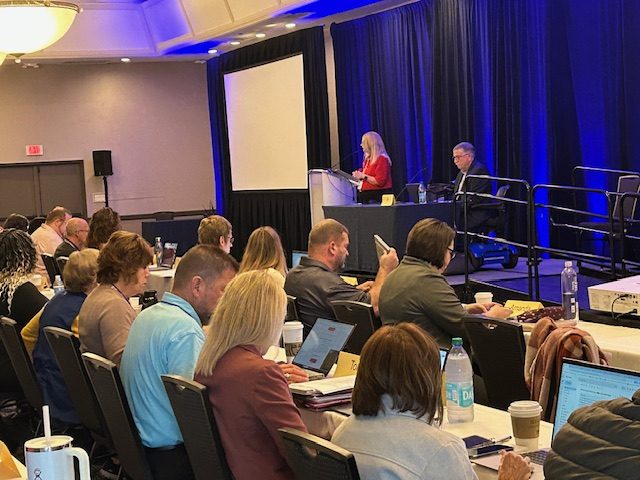
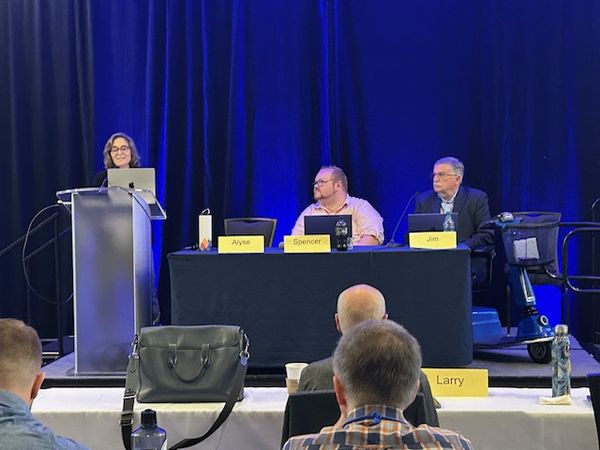
NAADAC faculty include attorneys who helped write the statute, federal officials who implemented it, and senior practitioners who have spent careers teaching it. No other ADA coordinator program offers this depth of practitioner-led instruction.
Why NAADAC
Expert faculty. Small by design. Built around the work ADA coordinators actually do.
400+
Years of combined faculty experience
Attorneys who shaped the ADA. Former DOJ officials who implemented it. Practitioners who spent careers enforcing it.
7
Elective Focus Areas
Every attendee shares the same Core curriculum. Electives then build depth where your work is: higher education, public services & facilities, physical access & facilities, law enforcement, corrections, healthcare, and state & local judicial.
2026
New: Professional Certifications
ADACP and AADAC credentials launching this November — including the first advanced credential for senior ADA
coordinators.

≤200
Capped at 200 Attendees
Direct access to the people who know this law best — in sessions, at lunch, in conversation.
Whether you are new to the role or have spent a career in it, NAADAC has something for you.
All conference sessions are open to all registered attendees. Advanced AADAC-track workshops are designed for experienced coordinators who are eligible for the AADAC credential.
New to the ADA Coordinator Role?
NAADAC conferences are designed for practicing ADA coordinators at every stage. If you are new to the role, you will find expert faculty, sector-specific sessions, and experienced peers who have navigated the same challenges — with the ADACP credential available when you are ready for it.
Experienced Coordinators & Professional Associates
NAADAC was built around training — expert, sector-specific, practitioner-led training that you cannot find anywhere else. Professional Associates enter the AADAC directly, building on the credits they already hold. Other experienced coordinators start with the ADACP first — or, if you hold the ADACC from the ACTCP program, you may apply for an individual evaluation pathway into the AADAC.
For Supervisors & Budget Approvers
28 CFR § 35.107(a) requires entities with 50 or more employees to designate an ADA coordinator. Sending that coordinator to NAADAC is the most direct investment in compliance capacity and professional credentialing — with sector-specific training available nowhere else.
How the Curriculum Works
Core for every coordinator. Electives for your sector.
The Core curriculum gives every ADA coordinator the grounding the role requires — it is far more than a legal overview: it is the full foundation coordinators need, from the framework of the law through the practices that apply in every environment. Elective sessions then build on that foundation, developing the knowledge and skills for the sector you work in now or hope to move into.
If you have attended NAADAC before: the content you valued is here. NAADAC previously organized sessions around three broad tracks (Employment; Higher Education; Access, Services & Design) that attendees followed for the full conference. There is no equivalent fixed track now — everyone shares the same Core curriculum, and Elective sessions are grouped below by the environment coordinators actually work in, so you choose individual sessions across these areas rather than being assigned to one.
Note on state & local government: every ADA coordinator works under Title II, so this is not a specialty — it is Core. Competency Area B (9 credits) covers program access, grievance procedures, self-evaluations, and more, and Core also touches the Title I employment issues that come up regardless of sector. The seven areas below are where Electives add depth on top of that shared foundation.
Higher Education
Student disability services, OCR enforcement, fundamental alteration and undue burden, web accessibility, athletic program access, students of concern.
Law Enforcement
ADA obligations in arrests and investigations, effective communication, ADA employment in criminal justice, corrections and courts.
Corrections
Intake, housing, program access, disability classification, advanced corrections programming, reentry planning, ADA leadership in correctional settings.
Healthcare
Accessible services, effective communication with patients, Section 504 integration, medical diagnostic equipment, mental health access and long-term care.
State & Local Judicial
Program access in courts, juror accommodations, courtroom access, self-evaluations for court facilities, grievances in judicial entities.
Public Services & Facilities
Government programs and public access, emergency preparedness, ADA coordinator policy library, web and digital access, self-evaluations and transition plans.
Physical Access & Facilities
2010 ADA Standards, self-evaluations and transition plans, PROWAG, advanced barrier removal, accessible design and capital planning.
Many coordinators operate across multiple settings — the elective pool is designed for that breadth. See the full ADACP curriculum →
A Career Path, Not Just a Conference
Come for the training. Add a credential when you are ready.
NAADAC has offered the field’s best ADA coordinator training since 1992. In 2026, two new credentials are available for those who want them: the ADACP and the AADAC. Both build directly on the same conference training. Credits count from the moment you earn them — whether or not you have decided to enroll. Enroll anytime before November 8, 2027.
Foundation Credential
ADACP — ADA Coordinator Professional
Open to any ADA coordinator or ADA professional, new to the role or years in it. Credits bank as you attend and apply retroactively whenever you decide to enroll — no decision required before the conference.
Advanced Credential
AADAC — Advanced ADA Coordinator
The first and only advanced credential for experienced ADA coordinators. Delivered through the AADAC Practicum —
working sessions open to all conference attendees during the 2026–2027 rollout. NAADAC Professional Associates
enter the credential directly, with the Year 1 enrollment fee waived.
Your Questions Answered
The questions most people ask first.
Registration fees depend on whether your annual NAADAC associate dues are current and whether you register by the early-bird deadline of September 14, 2026.
Associate (dues current), early-bird: $1,200 Non-associate, early-bird: $1,500
Associate, after September 14: $1,500 Non-associate, after September 14: $1,800
Registration includes all sessions plus networking breakfast and lunch Monday through Wednesday. Hotel reservations are separate. You can register online at adacoordinators.org/conferences, or pay by check mailed to NAADAC. Full registration details →
No. The conference is open to any ADA coordinator or ADA professional. No credential is required and no pre-enrollment is needed. You register for the conference — that is all.
If you attend sessions designated for the ADACP, or if you are a Professional Associate attending AADAC sessions, those credits will count toward a credential if you choose to enroll by November 8, 2027. Come to the conference, experience the program, and decide on enrollment when you are ready. Nothing you earn is lost.
Current NAADAC Professional Associates are especially encouraged to attend. Your PA status gives you direct entry into the AADAC — no ADACP required — with the Year 1 enrollment fee waived. PA pathway to the AADAC →
Yes. NAADAC has always served coordinators at every stage. The Core curriculum is designed to give every attendee a solid foundation in the ADA principles that apply in their sector — regardless of prior experience.
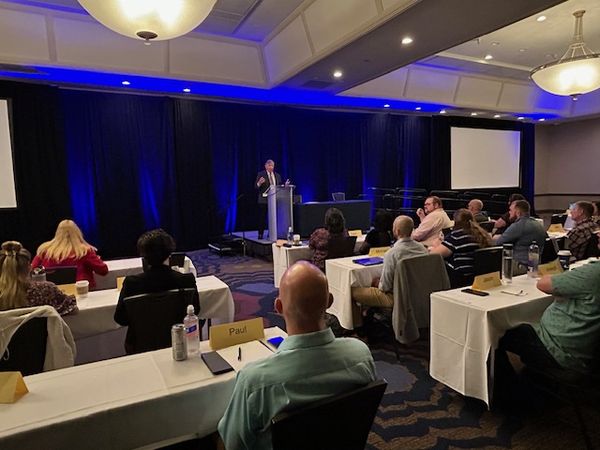
The conference is intentionally small, capped at 200 attendees, which means you will have genuine access to faculty, not just a seat in a large auditorium. Sessions are sector-specific, so the content is built for the environment you actually work in: state and local government, higher education, healthcare, corrections, law enforcement, judicial, or facilities.
If you decide to pursue the ADACP credential, everything you do at the November 2026 conference counts retroactively upon enrollment — even if you do not enroll until later. About the ADACP →
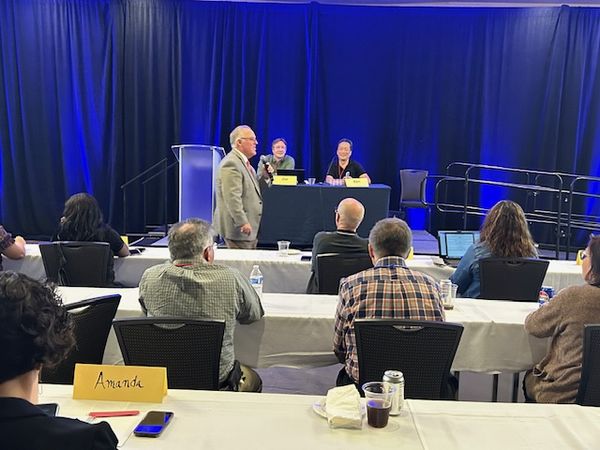
Three things are genuinely distinct. First, the faculty. NAADAC faculty include attorneys who helped draft the ADA and its regulations at DOJ, the federal officials who implemented them, and senior practitioners who have spent careers in enforcement. You can ask them questions directly — at lunch, after a session, at the Welcome Reception. That kind of access is not available anywhere else.
Second, sector-specific content. NAADAC sessions are built around what coordinators in your sector actually face — not adapted from general ADA training. Whether you work in corrections, higher education, healthcare, law enforcement, or government, you will find sessions that address your specific obligations and challenges.
Third, scale. With attendance capped at 200, the conference is small enough for real peer conversation. Attendees regularly describe it as the place where they finally met people who do what they do.
NAADAC is also the only ADA coordinator program to offer a two-tier credentialing structure: the ADACP for coordinators building their professional foundation, and the AADAC — the only advanced credential for experienced ADA coordinators anywhere in the field. About the certifications →
Your PA standing is recognized and honored. You have already invested significant time — approximately 66 conference hours — in NAADAC training, and that investment is the foundation the AADAC is built on.
In 2026, the conference expands what has always been offered to PAs. New advanced AADAC-designated sessions are available this November — content designed specifically for experienced coordinators, going deeper than what has been offered before. You are welcome to attend any and all sessions, whether or not you choose to pursue the AADAC credential.
If you want to pursue the AADAC: you have direct entry — no ADACP required. Your Year 1 enrollment fee is waived. Credits from AADAC sessions at the November conference count retroactively if you enroll by November 8, 2027. You do not need to decide before you arrive.
If you simply want to attend and stay current: that is exactly what NAADAC is for, and nothing about that changes. The credential is available. The training is what has always mattered.
Have a question not answered here? Contact NAADAC